Maritimecareers AI won't replace
Licensed seafaring work operating and repairing vessels where no one can intervene remotely.
2 careers in Maritime
Ship Captain and Mate
Maritime
Ship captains and mates command and navigate vessels, from tugs and ferries to cargo ships and fishing boats, and are legally accountable for the safety of the vessel, crew, cargo, and passengers. The role is licensed by the U.S. Coast Guard and built on embodied judgment in hazardous waters that automation cannot assume on its own.
Ship Engineer
Maritime
Ship engineers operate, monitor, and repair a vessel's propulsion and power machinery while underway. They are licensed officers responsible for keeping the engine room running safely far from any shore-based help.
Maritime
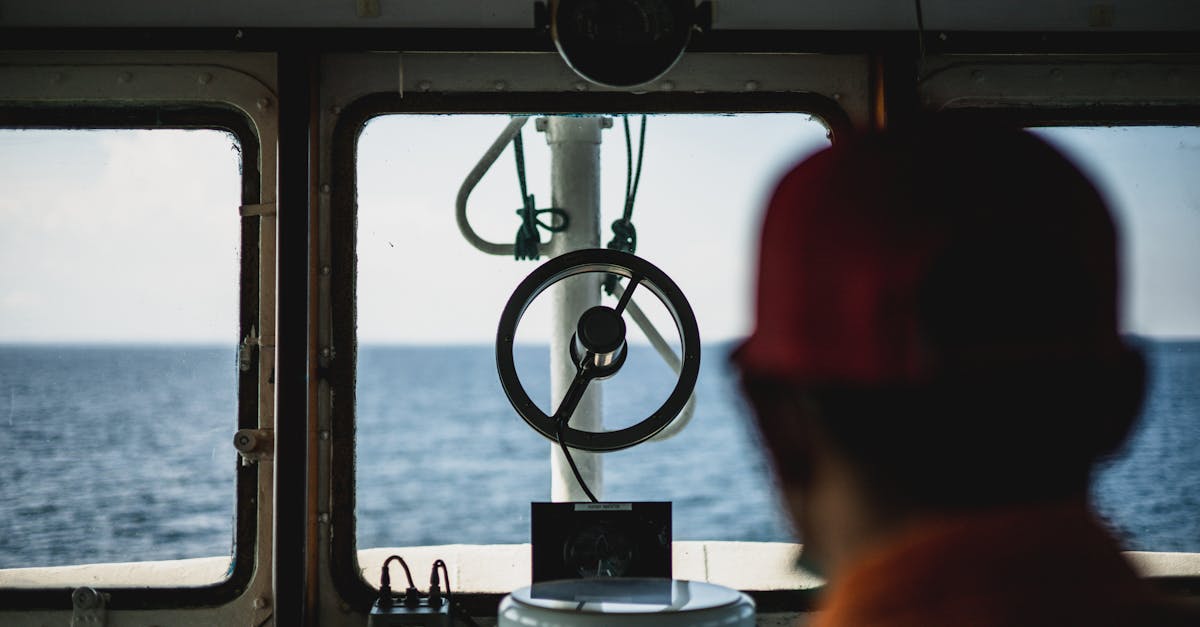
Ship Captain and Mate
Ship captains and mates command and navigate vessels, from tugs and ferries to cargo ships and fishing boats, and are legally accountable for the safety of the vessel, crew, cargo, and passengers. The role is licensed by the U.S. Coast Guard and built on embodied judgment in hazardous waters that automation cannot assume on its own.
- Median pay
- $92,460/yr
- Job outlook
- +1% (2024-34)
- Education
- Postsecondary nondegree award
- Work style
- On-site
A federal license, hands-on ship handling in tight waters, and personal legal accountability keep a credentialed human in command.
Why AI won't replace it
- Federal law requires a Coast Guard-credentialed master in charge of the vessel; the license is held by a qualified person, not by software, and an automated system cannot satisfy that legal requirement on its own.
- Harbor, river, and channel piloting demands embodied judgment in narrow, shifting, hazardous waters, reading current, wind, traffic, and tides in real time, where margins are measured in feet and conditions change minute to minute.
- The captain bears personal liability for the vessel, crew, cargo, passengers, and the environment, so a human must own the final decision and answer for it after an incident.