Allied Healthcareers AI won't replace
Hands-on clinical care, imaging, and rehab that needs a credentialed human at the bedside.
7 careers in Allied Health
Orthotist and Prosthetist
Allied Health
Orthotists and prosthetists design, measure, fit, and adjust orthopedic braces (orthoses) and artificial limbs (prostheses) for people with disabilities, injuries, or limb loss. It is precise, hands-on patient care that pairs technical skill with ongoing clinical follow-up.
Respiratory Therapist
Allied Health
Respiratory therapists assess, treat, and care for patients with breathing and cardiopulmonary disorders, from premature infants to adults on ventilators. The work is hands-on, high-stakes, and requires a licensed clinician physically present at the patient.
Athletic Trainer
Allied Health
Athletic trainers prevent, evaluate, and rehabilitate injuries for athletes and physically active people, often making split-second decisions at the sideline. The work is hands-on, high-stakes, and requires a licensed clinician physically present with the patient, so it is hard for software to stand in.
Surgical Technologist
Allied Health
Surgical technologists set up the operating room, maintain the sterile field, and pass instruments and supplies to surgeons during procedures. It is hands-on, high-consequence teamwork that an associate degree or certificate gets you into in under two years.
Diagnostic Medical Sonographer
Allied Health
Diagnostic medical sonographers operate ultrasound equipment to capture and interpret real-time images of organs, blood flow, and developing babies. It is a hands-on, judgment-heavy allied health career with strong demand and an associate-degree entry point.
Radiation Therapist
Allied Health
Radiation therapists operate the machines that deliver radiation treatments to cancer patients, positioning each person precisely and verifying the plan before every dose. It is a licensed, high-stakes, hands-on role at the bedside of treatment.
MRI Technologist
Allied Health
MRI technologists operate magnetic resonance imaging scanners to produce the detailed images physicians use to diagnose disease and injury. They screen every patient for ferrous hazards, position the body precisely in the bore, and manage safety in real time around an always-on magnet. It is an associate-degree allied health career with solid pay and steady, faster-than-average demand.
Allied Health
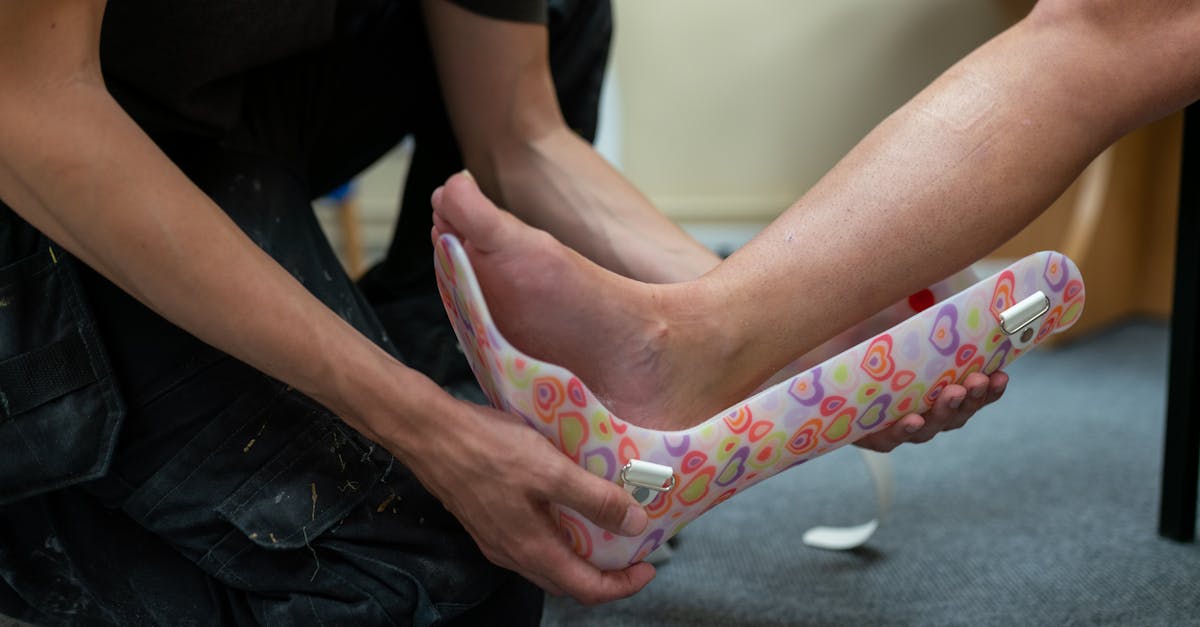
Orthotist and Prosthetist
Orthotists and prosthetists design, measure, fit, and adjust orthopedic braces (orthoses) and artificial limbs (prostheses) for people with disabilities, injuries, or limb loss. It is precise, hands-on patient care that pairs technical skill with ongoing clinical follow-up.
- Median pay
- $81,110/yr
- Job outlook
- +13% (2024-34)
- Education
- Master's degree
- Work style
- On-site
Fitting a custom device to a unique body, by hand, over repeated visits is exactly the kind of embodied, individualized care that software does not replace.
Why AI won't replace it
- Fitting a brace or artificial limb to a specific living body is hands-on, physical work: measuring, casting, shaping, aligning, and reworking the fit by feel, none of which a screen can do.
- Every patient and every device is different, so the work resists the standardization that automation depends on; clinical judgment is applied case by case.
- Care unfolds over repeated in-person visits as the body changes, the patient reports comfort and function, and the practitioner adjusts, a relational loop that cannot be handed to software.