The careers AI won't replace.
Real salaries, job outlook, and education for the roles that still need a human, backed by U.S. labor data. Each one explained, with an honest read on how safe it is from AI.
AI won't replace your
Hands-on, human work, from the operating room to the open sea, that a model can't do.
AI won't replace your orthotist, sonographer, pilot, mortician, detective, or millwright.
Official U.S. data
BLS Outlook Handbook + O*NET
Free, no signup
Open to everyone, no account
Fully sourced
Cited and linked on every page
Find your future-proof career
Search, filter, and compare every role on real U.S. labor data.
Orthotist and Prosthetist
Allied Health
Orthotists and prosthetists design, measure, fit, and adjust orthopedic braces (orthoses) and artificial limbs (prostheses) for people with disabilities, injuries, or limb loss. It is precise, hands-on patient care that pairs technical skill with ongoing clinical follow-up.
Respiratory Therapist
Allied Health
Respiratory therapists assess, treat, and care for patients with breathing and cardiopulmonary disorders, from premature infants to adults on ventilators. The work is hands-on, high-stakes, and requires a licensed clinician physically present at the patient.
Aircraft Mechanic
Aviation
Aircraft mechanics inspect, repair, and maintain airplanes and helicopters, and a certificated Airframe and Powerplant (A&P) mechanic must personally sign each aircraft back into service. It is hands-on, safety-critical work that the FAA holds a named human accountable for.
Athletic Trainer
Allied Health
Athletic trainers prevent, evaluate, and rehabilitate injuries for athletes and physically active people, often making split-second decisions at the sideline. The work is hands-on, high-stakes, and requires a licensed clinician physically present with the patient, so it is hard for software to stand in.
Detective and Criminal Investigator
Public Safety
Detectives and criminal investigators gather facts and evidence to solve crimes, interview witnesses and suspects, build cases, and testify in court. The work hinges on judgment, persuasion, and sworn legal accountability that software cannot take on.
Marriage and Family Therapist
Therapy & Counseling
Marriage and Family Therapists perform assessment, counseling, care planning, and ongoing human support in real workplaces with people, equipment, clients, patients, or the public. The role scores 79/100 on the WontReplace Index because the work needs human presence, judgment, and accountability.
Surgical Technologist
Allied Health
Surgical technologists set up the operating room, maintain the sterile field, and pass instruments and supplies to surgeons during procedures. It is hands-on, high-consequence teamwork that an associate degree or certificate gets you into in under two years.
Diagnostic Medical Sonographer
Allied Health
Diagnostic medical sonographers operate ultrasound equipment to capture and interpret real-time images of organs, blood flow, and developing babies. It is a hands-on, judgment-heavy allied health career with strong demand and an associate-degree entry point.
Radiation Therapist
Allied Health
Radiation therapists operate the machines that deliver radiation treatments to cancer patients, positioning each person precisely and verifying the plan before every dose. It is a licensed, high-stakes, hands-on role at the bedside of treatment.
Air Traffic Controller
Aviation
Air traffic controllers direct aircraft on the ground and in the air to keep them safely separated and moving efficiently. Pay is high, the work is intense, and nearly all of it happens on-site at FAA facilities under federal certification.
Ship Captain and Mate
Maritime
Ship captains and mates command and navigate vessels, from tugs and ferries to cargo ships and fishing boats, and are legally accountable for the safety of the vessel, crew, cargo, and passengers. The role is licensed by the U.S. Coast Guard and built on embodied judgment in hazardous waters that automation cannot assume on its own.
Elevator and Escalator Installer
Skilled Trades
Elevator and escalator installers and repairers assemble, install, maintain, and fix elevators, escalators, moving walkways, and other lifting systems. It is a licensed, high-paying trade that combines mechanical, electrical, and electronic work in the field.
Fish and Game Warden
Public Safety
Fish and game wardens are commissioned law enforcement officers who patrol the outdoors, enforce hunting, fishing, and boating laws, and protect wildlife and the people who use it. The work combines police authority with conservation, mostly in remote and unpredictable settings.
MRI Technologist
Allied Health
MRI technologists operate magnetic resonance imaging scanners to produce the detailed images physicians use to diagnose disease and injury. They screen every patient for ferrous hazards, position the body precisely in the bore, and manage safety in real time around an always-on magnet. It is an associate-degree allied health career with solid pay and steady, faster-than-average demand.
Mortician and Funeral Director
Funeral Services
Morticians and funeral directors arrange and direct funerals, prepare and care for the deceased, support grieving families, and handle the legal documents and regulated steps that a death requires. It is licensed, accountable, in-person work that blends counseling, logistics, and hands-on technical skill.
Commercial Pilot
Aviation
Commercial pilots fly aircraft for hire outside the scheduled airlines, including charter, corporate, air-ambulance, helicopter, tour, agricultural, and aerial-survey flying. The work demands an FAA-certificated, medically qualified pilot who plans the flight, handles the aircraft, and answers for the safety of everyone aboard.
Ship Engineer
Maritime
Ship engineers operate, monitor, and repair a vessel's propulsion and power machinery while underway. They are licensed officers responsible for keeping the engine room running safely far from any shore-based help.
Embalmer
Funeral Services
Embalmers chemically preserve, sanitize, and restore human remains so families can hold a viewing and burial. It is licensed, dexterous, public-health work performed by hand on a unique body each time, with restorative artistry that cannot be standardized.
Avionics Technician
Aviation
Avionics technicians install, calibrate, troubleshoot, and certify the electronic systems on aircraft, including navigation, communication, radar, and flight-control instruments. The work is hands-on, FAA-regulated, and safety-critical, which keeps it firmly in human hands.
Wind Turbine Technician
Skilled Trades
Wind turbine technicians install, inspect, maintain, and repair the mechanical, hydraulic, and electrical systems of wind turbines, climbing the tower to work on equipment in and around the nacelle. It is the fastest-growing occupation in the United States.
Millwright
Skilled Trades
Millwrights install, dismantle, repair, reassemble, and move heavy industrial machinery in factories, power plants, and construction sites. It is a hands-on skilled trade that combines rigging, precision alignment, and mechanical troubleshooting, learned mainly through a paid apprenticeship rather than a college degree.
Allied Health
Orthotist and Prosthetist
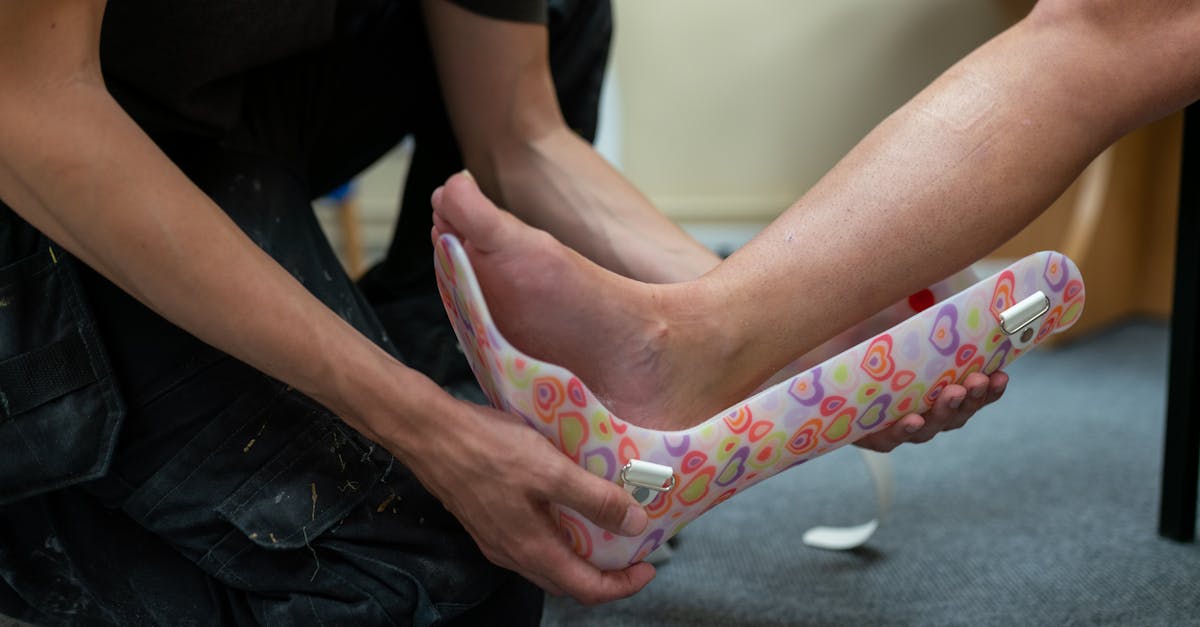
Orthotists and prosthetists design, measure, fit, and adjust orthopedic braces (orthoses) and artificial limbs (prostheses) for people with disabilities, injuries, or limb loss. It is precise, hands-on patient care that pairs technical skill with ongoing clinical follow-up.
- Median pay
- $81,110/yr
- Job outlook
- +13% (2024-34)
- Education
- Master's degree
- Work style
- On-site
Fitting a custom device to a unique body, by hand, over repeated visits is exactly the kind of embodied, individualized care that software does not replace.
Why AI won't replace it
- Fitting a brace or artificial limb to a specific living body is hands-on, physical work: measuring, casting, shaping, aligning, and reworking the fit by feel, none of which a screen can do.
- Every patient and every device is different, so the work resists the standardization that automation depends on; clinical judgment is applied case by case.
- Care unfolds over repeated in-person visits as the body changes, the patient reports comfort and function, and the practitioner adjusts, a relational loop that cannot be handed to software.
Browse by category
Jump to the kind of future-proof work that fits you.
Allied Health
7 careersHands-on clinical care, imaging, and rehab that needs a credentialed human at the bedside.
Aviation
4 careersSafety-critical, FAA-accountable work that keeps aircraft airworthy and the skies safe.
Maritime
2 careersLicensed seafaring work operating and repairing vessels where no one can intervene remotely.
Skilled Trades
3 careersPhysical, on-site problem-solving robots can't match.
Public Safety
2 careersPhysical, on-scene response and accountability a machine can't take on.
Funeral Services
2 careersLicensed, hands-on care of the deceased and grieving families that the public trusts only a human to do.
Therapy & Counseling
1 careerTrust-based, in-person therapeutic work built on human connection a machine can't fake.
What you get for every career
No fluff. Just the facts that help you decide.
Real BLS numbers
Median pay, salary range, and the 10-year job outlook, straight from U.S. labor data.
An AI-resistance score
An honest 0 to 10 read on how hard each role is to automate, and the reasons behind it.
A clear path in
The education and licensing you need, the real day-to-day, and concrete first steps.
Why these jobs are safe from AI
AI is brilliant at predictable, screen-based tasks. It struggles with everything these careers are built on, and those four traits are exactly what our AI-resistance score measures.
Hands-on and physical
Fitting a prosthetic limb, servicing an aircraft, or repairing an elevator happens in the real world. There is no screen for an AI to reach through.
Human judgment and trust
These roles make high-stakes calls and build real relationships. People want a qualified, accountable human, not a model.
Unpredictable environments
No two job sites, patients, or crime scenes are alike. Constant improvisation is the opposite of what automation does well.
Licensing and accountability
Licenses and legal responsibility mean a real person has to sign off, which keeps a qualified human in the loop by law.
Median pay, compared
What each career pays per year (U.S. median, May 2025).
Frequently asked
Straight answers about AI and the future of work.
Will AI take my job?
It depends entirely on the work. AI is fast at predictable, screen-based tasks, but it struggles with hands-on, unpredictable, and deeply human work. Every career on this site is chosen because it leans on exactly those human strengths.
Which careers are safest from AI?
Roles built on physical presence, real-time human judgment, and trust: allied-health work such as sonographers and respiratory therapists, aviation such as commercial pilots and aircraft mechanics, skilled trades such as elevator installers and wind turbine technicians, plus maritime, public-safety, and funeral-services roles. Each career here carries an AI-resistance score so you can compare at a glance.
What kinds of jobs is AI most likely to replace?
The most exposed work is predictable and screen-based: routine data entry, basic copywriting, simple customer support, bookkeeping, and parts of entry-level analysis. The more a job can be done from a keyboard with a clear set of rules, the easier it is to automate.
How soon could AI start affecting these careers?
Some effect is already here, but mostly as tools that help these workers rather than replace them, like better scheduling, documentation, or diagnostics. The hands-on, human core of each career is expected to stay human well beyond the next decade, which is why we only list roles with strong long-term prospects.
What makes a career resistant to AI?
Four things: physical, hands-on work; high-stakes human judgment and trust; unpredictable, varied environments; and licensing or legal accountability that requires a qualified person. The more of these a job has, the harder it is to automate.
Do I need a college degree for these careers?
Not always. Several of the most resilient careers, especially the skilled trades, are entered through a paid apprenticeship and a license rather than a four-year degree. Use the 'No degree needed' quick filter to see them.
Can you earn a high salary without a four-year degree?
Yes. Skilled trades like elevator installers, millwrights, and wind turbine technicians are learned through paid apprenticeships, and experienced tradespeople can earn well into six figures, often with no student debt.
Is allied health really safe from AI, given how much AI is used in medicine?
AI is genuinely useful in medicine, but mostly as a tool, not a replacement. Reading a scan is one task; physically positioning a patient and capturing a clean ultrasound or MRI, delivering a precise radiation treatment, or managing a ventilator at the bedside are hands-on, accountable jobs a model cannot do. That is why allied-health roles like sonographers, MRI and radiation therapists, and respiratory therapists stay among the most AI-resistant work.
Will robots replace skilled trades like elevator installers and millwrights?
Very unlikely anytime soon. Trades like elevator installation, millwrighting, and wind turbine service happen in cramped, unpredictable, constantly changing spaces and demand real-time physical problem-solving, which is exactly where robotics still struggles. Demand is also strong as older workers retire.
How can I make my current job more AI-proof?
Lean into what machines are worst at: hands-on skills, judgment in messy situations, relationships and trust, and work that carries real accountability. Adding a licensed or physical specialty is one of the most reliable ways to stay in demand.
Where do the salary and job-outlook numbers come from?
Directly from the U.S. Bureau of Labor Statistics and O*NET. Every career page links its exact source, and the pay figures reflect the latest BLS release (May 2025 wages, with 2024 to 2034 outlook projections).
How is the AI-resistance score calculated?
It is the WontReplace Index, our own two-axis model. The Capability Gap (what AI cannot do) is computed from real O*NET descriptor ratings; the Deployment Friction (licensing, accountability, public trust, and capital cost) is our own structured estimate. Higher means harder to automate, and the full methodology is on the About page.
Numbers you can actually trust.
Every salary and job-outlook figure comes straight from the U.S. Bureau of Labor Statistics, with its source linked on every page.