Aviation
Aircraft Mechanic
Federal law requires a certificated human to inspect, repair, and sign off every aircraft before it flies.
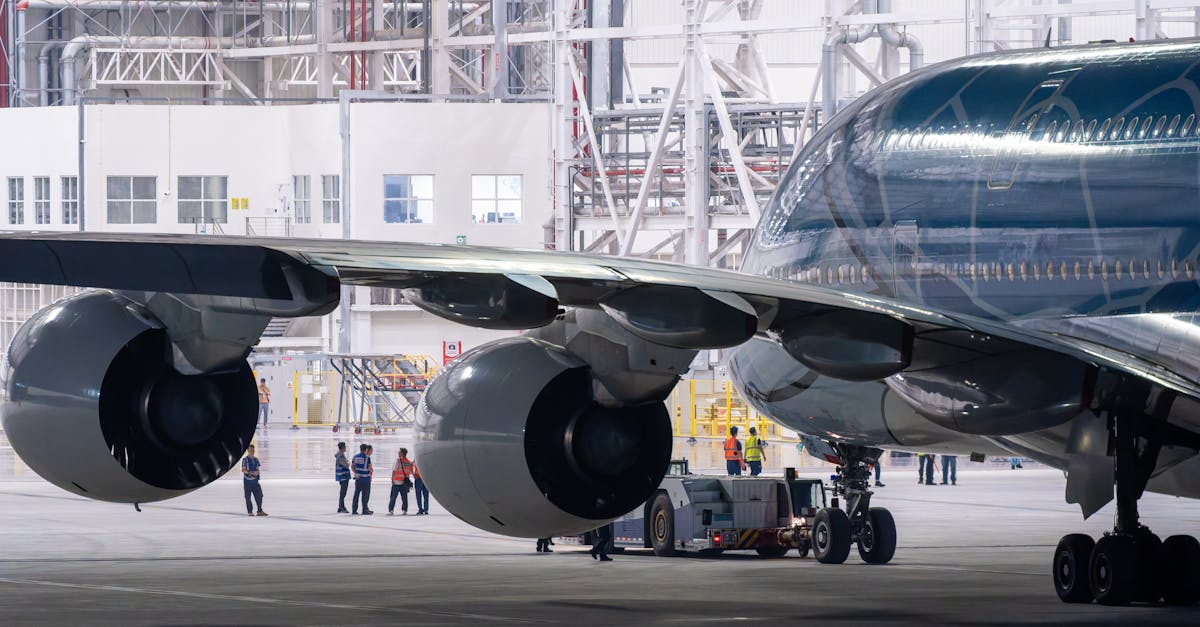
Why AI won't replace this
- FAA regulation (14 CFR Parts 43 and 65) requires a certificated A&P mechanic to perform, inspect, and sign off maintenance, and to approve the aircraft for return to service. That signature is a legal act software cannot make.
- The mechanic carries direct personal liability for the airworthiness of every airframe they release, with the lives aboard at stake, so a human must own the judgment and accountability.
- The work is deeply physical: removing panels, torquing fasteners in tight bays, troubleshooting by feel and sound, and rigging controls on a real airframe in a real hangar.
- Aircraft are highly varied and conditions change constantly, so diagnosing an unfamiliar fault and improvising a compliant repair demands hands-on judgment, not a fixed algorithm.
How the score is built
WRI 2026.1Both axes below are on the same 0 to 10 scale, and the score is simply 0.55 times the Capability Gap (what current AI cannot do in this work) plus 0.45 times the Deployment Friction (whether AI can actually be put into this role). Every career we list has cleared the AI-safe threshold, which is set at 9.0, so listed careers read 9.0 or higher and the most resistant approach 10.
Read it as a band, not a precise rank: differences smaller than about half a point are within the model's margin.
Capability Gap
What AI cannot do in this work
- Physical and embodied work9.5
- Real-time relational work8.7
- Improvisational judgment9.4
Deployment Friction
Whether AI can actually be put here
- Licensing10.0
- Accountability10.0
- Public trust9.9
- Capital and scale10.0
Why this deployment score
FAA law (14 CFR Parts 43/65) requires a certificated A&P human to inspect, repair, and sign off aircraft for return to service, with direct personal liability for the lives aboard every airframe.
Data confidence
What is verified, and what is modeled
Official data
Pay and wage range
Official data
Outlook and education
Official data
Tasks and skill inputs
Pay, outlook, and task inputs come from BLS and O*NET. The AI-resistance score is the site's WRI model, benchmarked against 19 reference occupations with Spearman -0.65.
View source checklist
Pay and wage range
Official dataMedian pay and the 10th to 90th percentile range are generated from the BLS OEWS wage file for SOC 493011.
BLS OEWS 493011Outlook and education
Official dataThe 2024 to 2034 outlook, openings, and typical education path are checked against the BLS Occupational Outlook Handbook.
BLS Occupational Outlook HandbookTasks and skill inputs
Official dataThe WRI capability side uses O*NET descriptor data mapped to O*NET-SOC 49-3011.00.
O*NET 49-3011.00AI-resistance score
ModeledThe score is the site's WontReplace Index. It blends O*NET capability limits with deployment friction, then benchmarks the index against prior automation research.
WRI methodologyCareer narrative
Editorial reviewThe plain-English sections explain the official data and the site's thesis. They are not treated as source data.
Review noteAbout the career
Aircraft mechanics keep airplanes and helicopters airworthy by inspecting, diagnosing, repairing, and replacing parts. They work across engines, structures, hydraulics, landing gear, electrical systems, and scheduled maintenance tasks.
The job follows FAA rules and manufacturer manuals closely. A certificated mechanic verifies the repair, documents the work, and signs the aircraft back into service when it is safe.
How AI is changing this work
AI helps aircraft maintenance with predictive alerts, diagnostic tools, digital manuals, and inspection-image review. These systems can narrow the likely fault and reduce downtime. They do not perform or certify the repair.
The human work is opening panels, replacing or repairing parts, verifying the fix, and documenting the maintenance release. FAA rules require a certificated person to sign airworthiness work. That accountability cannot be assigned to software.
Work settings & realities
- Airlines and their heavy-maintenance bases, working line maintenance between flights or deep checks in the hangar on a fixed fleet of types.
- FAA-certificated repair stations (MROs) that overhaul engines, components, and airframes for many operators.
- General and corporate aviation, maintaining business jets, turboprops, piston aircraft, and helicopters, often with broad responsibility across systems.
- Manufacturing and the military, building, modifying, or sustaining aircraft, plus government and contractor maintenance roles.
- The realities: it is physical work in hangars and on ramps, with bending, lifting, climbing, and working in tight spaces, often in heat, cold, and noise. Shift work, nights, weekends, and on-call coverage are common because aircraft are maintained around the clock.
- Almost all roles are on-site because the work is done on the actual aircraft; the job cannot be performed remotely.
Education & licensing
Most aircraft mechanics complete an FAA-approved Aviation Maintenance Technician School (Part 147), typically a 12 to 24 month program, then pass the FAA written, oral, and practical exams to earn the Airframe and Powerplant (A&P) certificate. An alternative path is documented on-the-job experience (commonly 18 to 30 months) under a certificated mechanic, after which you qualify to sit for the same FAA tests.
Specializations & advancement
- Powerplant specialist, focusing on piston and turbine engines, accessories, and engine overhaul.
- Airframe and structures, including sheet-metal, composite, and corrosion repair.
- Avionics and electrical systems, often paired with FCC and manufacturer credentials for navigation, communication, and instrument work.
- Line maintenance versus heavy or base maintenance, the fast-turn flightline role versus deep scheduled checks.
- Inspection Authorization (IA), the added FAA authority to approve major repairs and return aircraft to service after annual inspections.
- Type-specific and rotorcraft specialties, building deep expertise on particular jets, turboprops, or helicopters.
A day in the life
- Review the work order and the aircraft's maintenance manual, then inspect the system or perform the scheduled check.
- Troubleshoot a reported fault, then remove, repair, or replace the affected components to specification.
- Run operational and leak checks, torque and safety-wire fasteners, and verify the repair against the manual.
- Make the logbook entry, sign the maintenance release, and clear the aircraft for return to service.
The honest pros and cons
Pros
- Strong, steady demand and good job security, driven by a large fleet, heavy retirements, and the legal need for certificated mechanics.
- Solid pay without a four-year degree, a median near $79,870 with experienced airline and IA mechanics earning well above that.
- Short, affordable training: you can be certificated and working in roughly one to two years.
- Hands-on, varied work with real responsibility and a clear sense that your craftsmanship keeps people safe.
- Highly resistant to automation because the work is physical, regulated, and signed for by a named, accountable human.
Cons
- Physically demanding and sometimes uncomfortable: lifting, climbing, tight spaces, and exposure to heat, cold, noise, and chemicals.
- Shift work, nights, weekends, holidays, and on-call coverage are common because aircraft are maintained around the clock.
- High-stakes and exacting; a mistake or a careless logbook entry can cost lives and your certificate, so the pressure is constant.
- Earning and keeping certifications takes ongoing study, and entry pay can be modest before you build hours and authority.
- Some roles require relocation to airline hubs or major maintenance bases.
How to get started
- 1Earn a high school diploma with strong shop, math, and physics, or start fresh as an adult; the field is welcoming to career changers.
- 2Enroll in an FAA-approved Part 147 Aviation Maintenance Technician School, or log supervised experience under a certificated A&P mechanic.
- 3Pass the FAA written, oral, and practical exams to earn the Airframe and Powerplant (A&P) certificate.
- 4Hire on with an airline, repair station, general aviation shop, or the military, and build hours toward Inspection Authorization.
Alternatives and related fields
- Avionics Technician
Installs and repairs the navigation, communication, and electronic systems on aircraft; a closely related aviation maintenance path.
- Aircraft Mechanic (Military to Civilian)
Military aviation maintainers can convert their experience toward the civilian FAA A&P certificate.
- Automotive Mechanic
A related hands-on diagnostic and repair trade with a shorter, less regulated entry path.
- Wind Turbine Technician
Another safety-critical, hands-on maintenance trade entered with short technical training.
More careers AI won't replace
Frequently asked questions
Will AI replace aircraft mechanics?
No, AI is unlikely to replace aircraft mechanics soon. AI helps aircraft maintenance with predictive alerts, diagnostic tools, digital manuals, and inspection-image review. The human work is opening panels, replacing or repairing parts, verifying the fix, and documenting the maintenance release.
How much do aircraft mechanics make?
Aircraft mechanics have a U.S. median pay of $79,870 per year, according to May 2025 BLS OEWS data. The BLS 10th to 90th percentile range is about $48,780 to $128,890 per year. Pay varies by location, setting, experience, credentials, and schedule.
How long does it take to become an aircraft mechanic?
Usually one to two years. Most people complete a 12 to 24 month FAA-approved Aviation Maintenance Technician School, then pass the FAA written, oral, and practical exams. An alternative is roughly 18 to 30 months of documented experience under a certificated mechanic before testing.
Do you need a license to be an aircraft mechanic?
To inspect, repair, and approve aircraft for return to service you need the FAA Airframe and Powerplant (A&P) certificate, earned by passing FAA knowledge, oral, and practical exams. Some entry tasks can be done under supervision, but signing off maintenance legally requires the certificate.
Is being an aircraft mechanic a good career?
For people who like hands-on, high-responsibility work it is a strong choice: steady demand, solid pay without a four-year degree, and short, affordable training. The trade-offs are physical work, shift hours, and the constant precision the safety stakes demand.
What is the difference between an aircraft mechanic and an avionics technician?
An aircraft mechanic with the A&P certificate maintains the airframe and engine: structures, hydraulics, landing gear, and powerplant. An avionics technician specializes in the electronic systems, navigation, communication, and instruments, often holding additional FCC or manufacturer credentials. The roles overlap and many shops value people who can do both.
What is the job outlook for aircraft mechanics?
BLS projects aircraft mechanics employment to grow 5 percent from 2024 to 2034. BLS also projects about 13,100 openings per year. The projection should be read with local licensing, location, and employer demand in mind.