Skilled Trades
Wind Turbine Technician
The fastest-growing job in America, done hundreds of feet up inside a turbine.
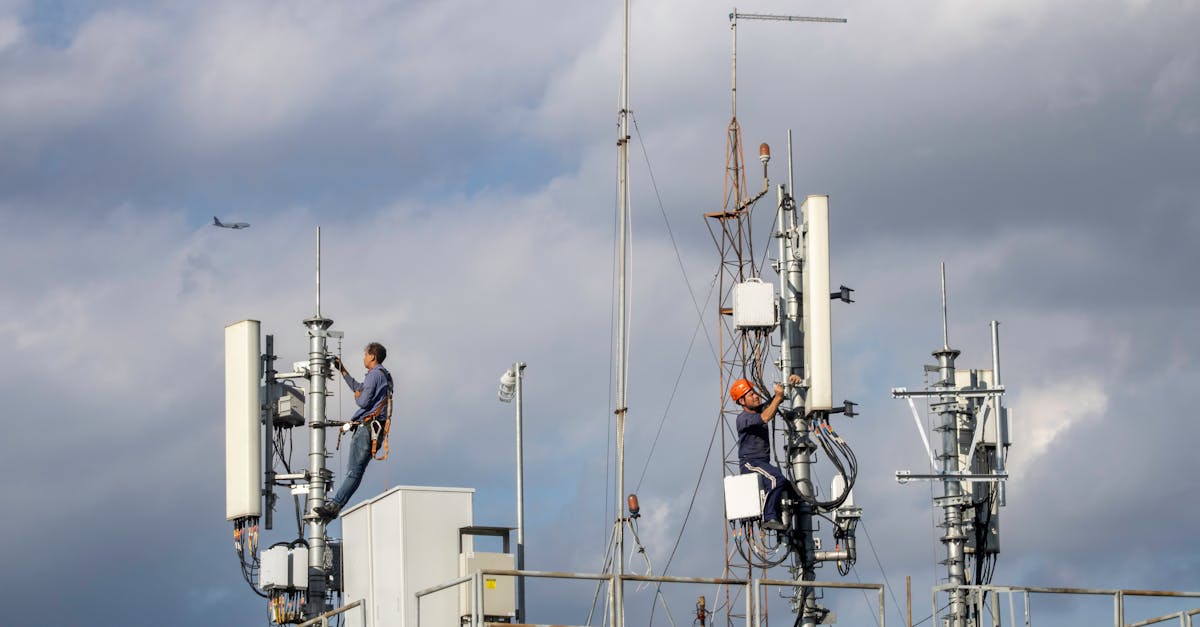
Why AI won't replace this
- The repair happens hundreds of feet up inside the nacelle. Climbing the tower, working in a confined space at height, and turning wrenches on a multi-ton gearbox is physical, embodied labor that no remote system or model can perform.
- Faults are messy and varied: a leaking hydraulic line, a worn brake, a cracked blade, a tripped converter. Diagnosing the real cause on a specific machine in the field still requires hands, senses, and trained judgment.
- Safety and rescue are human responsibilities. A technician must self-rescue or rescue a crewmate from height, decisions that carry life-or-death stakes and cannot be delegated to software.
- Wind capacity is growing fast and turbines are getting larger and more complex, so the demand for people who can physically service them is rising, not falling.
How the score is built
WRI 2026.1Both axes below are on the same 0 to 10 scale, and the score is simply 0.55 times the Capability Gap (what current AI cannot do in this work) plus 0.45 times the Deployment Friction (whether AI can actually be put into this role). Every career we list has cleared the AI-safe threshold, which is set at 9.0, so listed careers read 9.0 or higher and the most resistant approach 10.
Read it as a band, not a precise rank: differences smaller than about half a point are within the model's margin.
Capability Gap
What AI cannot do in this work
- Physical and embodied work9.5
- Real-time relational work9.0
- Improvisational judgment9.3
Deployment Friction
Whether AI can actually be put here
- Licensing9.0
- Accountability9.5
- Public trust9.0
- Capital and scale10.0
Why this deployment score
Climbing hundreds of feet to repair turbine mechanics, hydraulics, and electronics at the top of a nacelle is extreme physical work that no remote system can perform.
Data confidence
What is verified, and what is modeled
Official data
Pay and wage range
Official data
Outlook and education
Official data
Tasks and skill inputs
Pay, outlook, and task inputs come from BLS and O*NET. The AI-resistance score is the site's WRI model, benchmarked against 19 reference occupations with Spearman -0.65.
View source checklist
Pay and wage range
Official dataMedian pay and the 10th to 90th percentile range are generated from the BLS OEWS wage file for SOC 499081.
BLS OEWS 499081Outlook and education
Official dataThe 2024 to 2034 outlook, openings, and typical education path are checked against the BLS Occupational Outlook Handbook.
BLS Occupational Outlook HandbookTasks and skill inputs
Official dataThe WRI capability side uses O*NET descriptor data mapped to O*NET-SOC 49-9081.00.
O*NET 49-9081.00AI-resistance score
ModeledThe score is the site's WontReplace Index. It blends O*NET capability limits with deployment friction, then benchmarks the index against prior automation research.
WRI methodologyCareer narrative
Editorial reviewThe plain-English sections explain the official data and the site's thesis. They are not treated as source data.
Review noteAbout the career
Wind turbine technicians inspect, maintain, and repair wind turbines. They climb towers, work inside nacelles, troubleshoot faults, replace parts, change fluids, and bring turbines back online.
The job combines mechanical, hydraulic, electrical, and blade-repair work. It is done in small crews at remote, weather-exposed sites where height safety and rescue training are essential.
How AI is changing this work
AI helps wind operators analyze SCADA data, predict failures, schedule service, and inspect blades with drones and image analysis. These tools can reduce unnecessary climbs and target the right turbine. They do not perform the repair.
The human work is climbing the tower, entering the nacelle, diagnosing the fault, replacing parts, and working safely in wind, cold, heat, or offshore conditions. Rescue readiness and hands-on mechanical skill remain central to the job.
Work settings & realities
- Onshore wind farms across the Great Plains, Texas, Iowa, and the Midwest, often in remote rural areas far from cities, working in small crews.
- Offshore wind installations, a fast-growing and higher-paying segment along the East Coast, where technicians live or commute by vessel and conditions are harsher.
- Employed by turbine manufacturers (OEMs) such as Vestas, GE, and Siemens Gamesa, by independent service providers, or directly by utilities and wind-farm operators.
- Significant travel: many roles are 'traveling tech' positions covering multiple sites, with long stretches away from home, while site-based roles stay at one farm.
- The realities: you work at extreme heights, in confined spaces, and in all weather, with cold, heat, wind, and exposure all part of the job, and you must be physically fit and free of a fear of heights.
- Schedules can include on-call coverage, storm-recovery callouts, overtime, and rotating shifts, because a turbine that is down is not earning money.
Education & licensing
Most employers look for a certificate or associate degree from a technical school or community college wind energy program, typically taking a few months to two years. New hires then complete extensive on-the-job training, and ongoing safety, climbing, and rescue certifications are required throughout the career.
Specializations & advancement
- Offshore wind technician, a higher-paid specialty requiring sea survival and vessel-based work, and one of the fastest-growing parts of the field.
- Blade technician, specializing in inspecting and repairing composite and fiberglass blades, often using rope access (industrial climbing) rather than internal tower access.
- High-voltage or electrical specialist, focusing on the converter, transformer, and grid-connection systems.
- SCADA and remote-diagnostics technician, monitoring fleets of turbines and dispatching field crews from a control center.
- Commissioning technician, who brings newly installed turbines online and runs the first tests before they enter service.
- Lead technician, site supervisor, or wind-farm site manager, the management and oversight track after several years in the field.
A day in the life
- Review work orders and SCADA fault data, then complete a pre-climb safety check and a tailgate or toolbox talk with the crew before heading up.
- Climb the tower, lock out and tag out the turbine, and perform scheduled maintenance: inspect the gearbox and generator, change oil and filters, grease bearings, and torque bolts to spec.
- Respond to unplanned faults by diagnosing the cause, replacing failed components such as hydraulic lines, sensors, or brake pads, and returning the turbine to service.
- Document the work, log parts and readings, and travel between turbines or to the next site, often across a large rural wind farm.
The honest pros and cons
Pros
- Explosive demand: this is the single fastest-growing occupation in the United States, with employment projected to grow about 50 percent from 2024 to 2034.
- A short, affordable path in: a certificate or two-year degree, not a four-year or graduate program, with a strong return on the training cost.
- Solid pay for the education required, a median near $64,000, plus overtime, travel pay, and higher-paying offshore and lead roles.
- Hands-on, varied work that combines mechanical, electrical, hydraulic, and diagnostic skills rather than a single repetitive task.
- Very resistant to automation because the repair is physical, hazardous, and done at height where no remote system can operate.
Cons
- Physically demanding and hazardous: you climb hundreds of feet, work in confined spaces and all weather, and falls and electrical hazards are real risks.
- Heights are non-negotiable. Anyone uncomfortable working far off the ground cannot do this job.
- Heavy travel and remote locations are common; many roles keep you away from home for stretches, and wind farms are often far from cities.
- On-call work, storm callouts, and overtime can make the schedule unpredictable, and downtime pressure means urgent repairs in bad conditions.
- The work is physically wearing over a long career, and some technicians move into SCADA, supervisory, or training roles as they age out of daily climbing.
How to get started
- 1Enroll in a wind energy technician certificate or associate degree program at a community or technical college; many are six months to two years.
- 2Earn core safety credentials such as GWO Basic Safety Training (working at heights, first aid, fire, manual handling, and sea survival for offshore) and OSHA training.
- 3Build hands-on mechanical and electrical skills, get comfortable climbing and working at height, and pass the physical and drug-screening requirements employers set.
- 4Apply for entry-level technician roles with turbine manufacturers (OEMs), independent service providers, or utilities, and expect to relocate to a wind-rich region.
Alternatives and related fields
- Electrician
A related trade with overlapping high-voltage and electrical skills, entered through an apprenticeship and licensing.
- HVAC Technician
Another hands-on installation-and-repair trade for mechanical and refrigeration systems, with a short training path.
- Aircraft Mechanic
A licensed mechanical-repair trade with similar diagnostic and hands-on work on complex machines.
- Solar Photovoltaic Installer
The other half of the renewable-energy boom and the second fastest-growing occupation, with a short training path.
More careers AI won't replace
Frequently asked questions
Will AI replace wind turbine technicians?
No, AI is unlikely to replace wind turbine technicians soon. AI helps wind operators analyze SCADA data, predict failures, schedule service, and inspect blades with drones and image analysis. The human work is climbing the tower, entering the nacelle, diagnosing the fault, replacing parts, and working safely in wind, cold, heat, or offshore conditions.
How much do wind turbine technicians make?
Wind turbine technicians have a U.S. median pay of $64,120 per year, according to May 2025 BLS OEWS data. The BLS 10th to 90th percentile range is about $49,230 to $92,460 per year. Pay varies by location, setting, experience, credentials, and schedule.
How long does it take to become a wind turbine technician?
Usually under two years. Most people complete a wind energy certificate (about six months to a year) or an associate degree (about two years) at a technical or community college, earn safety certifications like GWO Basic Safety Training, then complete on-the-job training with an employer.
Is being a wind turbine technician a good career?
For the right person, yes. It is the fastest-growing occupation in the country, the training is short and affordable, and the pay is solid for the education required. The trade-offs are that it is physically demanding, involves working at extreme heights, and often requires travel to remote sites.
Do you need a degree to be a wind turbine technician?
Not a four-year degree. Most employers want a certificate or associate degree from a wind energy program plus safety certifications such as GWO and OSHA training. A high school diploma is the baseline, and people sometimes enter from military, electrical, or industrial-maintenance backgrounds.
Is the job outlook for wind turbine technicians good?
BLS projects wind turbine technicians employment to grow 50 percent from 2024 to 2034. BLS also projects about 2,300 openings per year. The projection should be read with local licensing, location, and employer demand in mind.
Is being a wind turbine technician dangerous?
It carries real risk. Technicians climb 250 to 350 feet, work in confined spaces and high-voltage systems, and face weather exposure, so falls and electrical hazards are the main dangers. That is why fall protection, climbing, and rescue training are mandatory and refreshed throughout the career, and strict safety discipline is a core part of the job.