Allied Health
Surgical Technologist
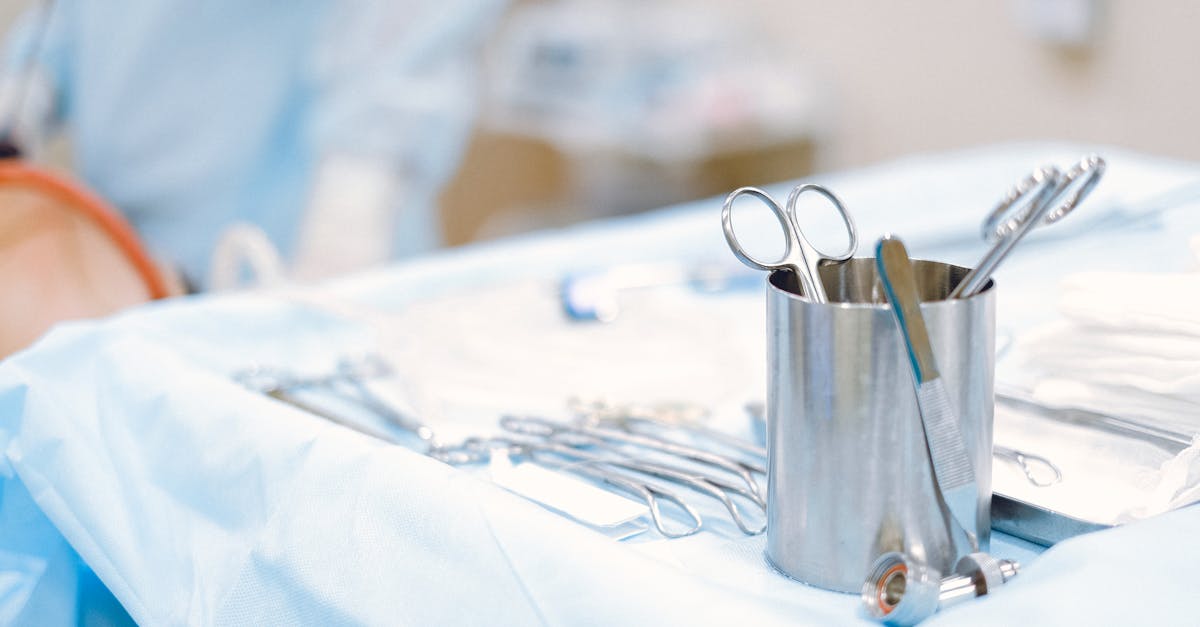
The sterile-field specialist who preps the OR and hands the surgeon every instrument, mid-operation.
Why AI won't replace this
- The core task is physical and sterile: gowning, draping, and passing instruments by hand at the operating table while staying sterile cannot be done by software or a remote system.
- It is real-time teamwork in a high-consequence setting. The tech anticipates the surgeon's next move, reacts to bleeding or a dropped instrument instantly, and adapts to whatever the case throws at it.
- Patient safety and accountability require a human in the room. Counting every sponge, needle, and instrument and confirming nothing is retained is a legally and clinically critical responsibility.
- Hospitals and surgery centers operate under accreditation and liability rules that assume a credentialed person, not a machine, is managing the sterile field beside the surgeon.
How the score is built
WRI 2026.1Both axes below are on the same 0 to 10 scale, and the score is simply 0.55 times the Capability Gap (what current AI cannot do in this work) plus 0.45 times the Deployment Friction (whether AI can actually be put into this role). Every career we list has cleared the AI-safe threshold, which is set at 9.0, so listed careers read 9.0 or higher and the most resistant approach 10.
Read it as a band, not a precise rank: differences smaller than about half a point are within the model's margin.
Capability Gap
What AI cannot do in this work
- Physical and embodied work9.2
- Real-time relational work9.3
- Improvisational judgment9.2
Deployment Friction
Whether AI can actually be put here
- Licensing9.7
- Accountability9.9
- Public trust9.9
- Capital and scale10.0
Why this deployment score
Preparing the sterile field and handing instruments during live surgery is dexterous, embodied teamwork in a high-consequence sterile environment that demands an accountable human in the room.
Data confidence
What is verified, and what is modeled
Official data
Pay and wage range
Official data
Outlook and education
Official data
Tasks and skill inputs
Pay, outlook, and task inputs come from BLS and O*NET. The AI-resistance score is the site's WRI model, benchmarked against 19 reference occupations with Spearman -0.65.
View source checklist
Pay and wage range
Official dataMedian pay and the 10th to 90th percentile range are generated from the BLS OEWS wage file for SOC 292055.
BLS OEWS 292055Outlook and education
Official dataThe 2024 to 2034 outlook, openings, and typical education path are checked against the BLS Occupational Outlook Handbook.
BLS Occupational Outlook HandbookTasks and skill inputs
Official dataThe WRI capability side uses O*NET descriptor data mapped to O*NET-SOC 29-2055.00.
O*NET 29-2055.00AI-resistance score
ModeledThe score is the site's WontReplace Index. It blends O*NET capability limits with deployment friction, then benchmarks the index against prior automation research.
WRI methodologyCareer narrative
Editorial reviewThe plain-English sections explain the official data and the site's thesis. They are not treated as source data.
Review noteAbout the career
Surgical technologists prepare operating rooms, set up sterile instruments, and help get patients ready for procedures. During surgery they pass instruments, manage supplies, handle specimens, and support the surgeon from the sterile field.
The job depends on timing, sterility, and attention to detail. Techs anticipate the next step, protect the sterile field, and keep accountable counts of sponges, needles, and instruments.
How AI is changing this work
AI helps around the operating room through scheduling, inventory tracking, documentation, imaging support, and count-assistance tools. Surgical robots can extend a surgeon's precision. They do not remove the need for a scrub tech at the sterile field.
The human work is maintaining sterility, passing the right instrument at the right time, anticipating the surgeon, and reacting when a case changes. Even robotic cases need setup, draping, troubleshooting, and accountable counts. Patient-safety rules keep trained staff in the room.
Work settings & realities
- Hospital operating rooms, the largest employer, where techs scrub in on everything from routine appendectomies to complex cardiac, orthopedic, and neurosurgical cases.
- Ambulatory surgery centers and outpatient clinics, a fast-growing setting as more procedures move out of hospitals; hours tend to be more predictable than hospital ORs.
- Physicians' offices and specialty practices that perform in-office procedures, such as plastic surgery, ophthalmology, or dermatology.
- Labor and delivery and other procedural units, assisting with cesarean sections and obstetric surgery.
- The realities: you are on your feet for long stretches, standing through cases that can run many hours, often in a cold, sterile room with no phone and limited breaks. Many hospital roles include nights, weekends, holidays, and on-call coverage.
- It is also a setting that demands a strong stomach and steady nerves; you are present for blood, trauma, and high-pressure moments, and exposure to sharps and bodily fluids is a real occupational hazard.
Education & licensing
Most surgical technologists complete an accredited certificate or diploma program (about 12 to 18 months) or an associate degree (about two years) in surgical technology. Most employers strongly prefer or require national certification, commonly the CST credential from the National Board of Surgical Technology and Surgical Assisting (NBSTSA), and a growing number of states regulate the role.
Specializations & advancement
- Cardiovascular and cardiothoracic surgery, supporting open-heart and vascular procedures that demand advanced instrument knowledge.
- Orthopedic surgery, handling power tools, implants, and hardware for joint replacements and fracture repair.
- Neurosurgery, assisting with delicate brain and spine cases that require precise microsurgical technique.
- Robotic and minimally invasive surgery, where the tech sets up, drapes, and troubleshoots the surgical robot and endoscopic towers.
- Surgical First Assistant, an advanced role (CSFA/CFA) that assists more directly at the field, retracting, suturing, and providing hemostasis under the surgeon.
- Education and OR coordination, such as becoming a clinical instructor, central sterile lead, or surgical services coordinator.
A day in the life
- Arrive before the first case, review the surgery schedule and surgeon preference cards, then gather, open, and arrange sterile instruments and supplies for each procedure.
- Scrub in, gown and glove, set up the sterile field, and help position and prep the patient with the rest of the OR team.
- During surgery, pass instruments and supplies to the surgeon, anticipate the next step, hold retractors, manage specimens, and keep a running count of every sponge, needle, and instrument.
- Between cases, help with patient transfer, break down and clean the field, send instruments for reprocessing, and reset the room for the next operation.
The honest pros and cons
Pros
- Short path in: a one-to-two-year program gets you into a skilled operating-room career, far less time and debt than most healthcare roles.
- Stable, in-demand work tied to an aging population and a steady volume of surgeries that has to happen on-site.
- Hands-on and engaging; you are an active part of the surgical team rather than behind a desk, and no two days are identical.
- Highly resistant to automation because maintaining the sterile field and handing instruments during live surgery cannot be done remotely or by software.
- Clear ways to grow, from specializing in cardiac, ortho, or robotics to advancing to surgical first assistant or OR coordination.
Cons
- Physically demanding: long hours on your feet, standing through extended cases in a cold sterile room with limited breaks.
- Tough schedules in many hospital roles, including nights, weekends, holidays, and on-call coverage.
- High-stress and high-stakes; a missed count or break in sterility has serious consequences, and you witness blood and trauma routinely.
- Pay tops out lower than nursing or therapy roles, with a median near $64,650 and limited upward range without advancing to assistant or specialty roles.
- Occupational hazards include exposure to sharps, infectious fluids, radiation, and surgical smoke.
How to get started
- 1Earn a high school diploma or GED and take any science prerequisites, then enroll in a surgical technology program accredited by CAAHEP or ABHES, choosing a certificate or an associate degree.
- 2Complete the program's clinical rotations to build real OR hours and case experience across specialties.
- 3Pass the national certification exam to earn the CST credential from the NBSTSA, which most employers expect.
- 4Apply to hospitals and ambulatory surgery centers, complete employer orientation, and keep your certification current with continuing education.
Alternatives and related fields
- Surgical Assistant
An advanced OR role that assists the surgeon more directly with retraction, suturing, and hemostasis; often a step up for experienced techs.
- Registered Nurse
Circulating and perioperative nurses share the OR; nursing requires an associate or bachelor's degree and licensure but pays more.
- Diagnostic Medical Sonographer
Closely related allied-health roles that capture and interpret medical images, also requiring an associate degree.
- Respiratory Therapist
Another hands-on allied-health role entered with an associate degree, focused on patients with breathing problems.
More careers AI won't replace
Frequently asked questions
Will AI replace surgical technologists?
No, AI is unlikely to replace surgical technologists soon. AI helps around the operating room through scheduling, inventory tracking, documentation, imaging support, and count-assistance tools. The human work is maintaining sterility, passing the right instrument at the right time, anticipating the surgeon, and reacting when a case changes.
How much do surgical technologists make?
Surgical technologists have a U.S. median pay of $64,650 per year, according to May 2025 BLS OEWS data. The BLS 10th to 90th percentile range is about $45,940 to $96,940 per year. Pay varies by location, setting, experience, credentials, and schedule.
How long does it take to become a surgical technologist?
Most people are working within one to two years. A certificate or diploma program typically takes about 12 to 18 months and an associate degree about two years, both including supervised clinical rotations, after which most graduates sit for the CST certification exam.
Do you need to be certified to be a surgical technologist?
Certification is voluntary at the federal level, but most employers prefer or require the Certified Surgical Technologist (CST) credential from the NBSTSA, and several states now have their own registration or certification requirements. In practice, getting certified after an accredited program is the standard path to being hired.
What is the difference between a surgical technologist and a surgical assistant?
A surgical technologist sets up the sterile field, passes instruments, and supports the procedure, while a surgical assistant works more directly at the field, retracting, suturing, and helping control bleeding under the surgeon. The assistant role is more advanced and usually requires additional training and certification, and it pays more.
Is being a surgical technologist a good career?
For people who want a hands-on healthcare role without years of school, yes. The training is short, the work is stable and in demand, and the job is highly resistant to automation. The trade-offs are real, though: long hours on your feet, nights and on-call shifts, a high-stress sterile environment, and pay that tops out lower than nursing.
Is the job outlook for surgical technologists good?
BLS projects surgical technologists employment to grow 5 percent from 2024 to 2034. BLS also projects about 8,700 openings per year. The projection should be read with local licensing, location, and employer demand in mind.