Allied Health
Athletic Trainer
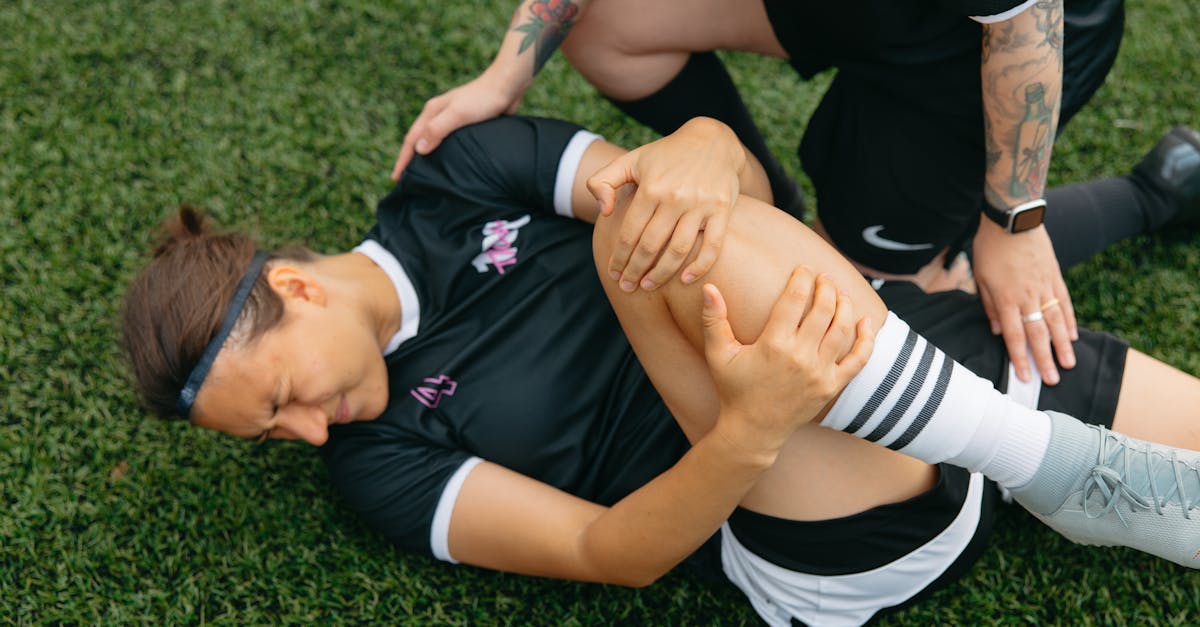
Licensed clinicians who assess and rehab injuries on the sideline, where a real human has to make the call.
Why AI won't replace this
- Sideline injury calls are split-second, high-stakes decisions made in person; a licensed trainer has to physically assess the athlete and decide whether it is safe to continue or return, something software cannot do from a distance.
- Hands-on assessment, taping, manual treatment, and guiding a patient through rehabilitation are embodied tasks that require touch, real-time feel, and adjustment to a specific body.
- The trainer carries medical liability for an athlete's safety, so state licensure and physician oversight keep a credentialed, accountable human in the loop.
- Emergency response to head injuries, heat illness, cardiac events, and serious trauma demands a trained responder physically present and ready to act in seconds.
How the score is built
WRI 2026.1Both axes below are on the same 0 to 10 scale, and the score is simply 0.55 times the Capability Gap (what current AI cannot do in this work) plus 0.45 times the Deployment Friction (whether AI can actually be put into this role). Every career we list has cleared the AI-safe threshold, which is set at 9.0, so listed careers read 9.0 or higher and the most resistant approach 10.
Read it as a band, not a precise rank: differences smaller than about half a point are within the model's margin.
Capability Gap
What AI cannot do in this work
- Physical and embodied work7.4
- Real-time relational work9.5
- Improvisational judgment9.4
Deployment Friction
Whether AI can actually be put here
- Licensing10.0
- Accountability9.9
- Public trust9.9
- Capital and scale9.9
Why this deployment score
Licensed athletic trainers make split-second sideline injury calls, apply hands-on assessment and rehab, and carry medical liability for an athlete's safety, combining all three human bottlenecks.
Data confidence
What is verified, and what is modeled
Official data
Pay and wage range
Official data
Outlook and education
Official data
Tasks and skill inputs
Pay, outlook, and task inputs come from BLS and O*NET. The AI-resistance score is the site's WRI model, benchmarked against 19 reference occupations with Spearman -0.65.
View source checklist
Pay and wage range
Official dataMedian pay and the 10th to 90th percentile range are generated from the BLS OEWS wage file for SOC 299091.
BLS OEWS 299091Outlook and education
Official dataThe 2024 to 2034 outlook, openings, and typical education path are checked against the BLS Occupational Outlook Handbook.
BLS Occupational Outlook HandbookTasks and skill inputs
Official dataThe WRI capability side uses O*NET descriptor data mapped to O*NET-SOC 29-9091.00.
O*NET 29-9091.00AI-resistance score
ModeledThe score is the site's WontReplace Index. It blends O*NET capability limits with deployment friction, then benchmarks the index against prior automation research.
WRI methodologyCareer narrative
Editorial reviewThe plain-English sections explain the official data and the site's thesis. They are not treated as source data.
Review noteAbout the career
Athletic trainers are licensed sports medicine clinicians who prevent, evaluate, and rehabilitate injuries. They work under physician direction with athletes, active workers, students, military personnel, and clinic patients.
A typical day can include taping, emergency care, concussion screening, return-to-play decisions, rehabilitation exercises, and documentation. The job blends healthcare judgment with fast, hands-on response.
How AI is changing this work
AI helps athletic trainers with wearables, workload tracking, injury-risk flags, motion analysis, scheduling, documentation, and injury logs. These tools give better data and reduce paperwork. They do not make return-to-play decisions alone.
The human work is evaluating injuries by hand, responding on the sideline, screening concussions, guiding rehabilitation, and judging whether an athlete can safely return. Licensure and physician oversight keep a credentialed trainer accountable for care.
Work settings & realities
- Colleges, universities, and K-12 schools, the traditional core of the field, covering practices, games, and athletic training rooms for student athletes.
- Hospitals and outpatient orthopedic or physical-therapy clinics, a fast-growing setting where trainers handle injury rehab and musculoskeletal care alongside other clinicians.
- Professional and elite sports teams, providing high-level injury prevention, sideline care, and rehabilitation, often with travel and long seasons.
- Physician offices, where trainers assist with patient assessment, casting and bracing, rehab, and care coordination.
- Industrial, military, and public-safety settings, where trainers prevent and manage work-related musculoskeletal injuries among employees, service members, and first responders.
- The realities: the schedule often follows the activity, which means evenings, weekends, travel, and long days in season, and the work is physical and time-sensitive, so most roles are on-site.
Education & licensing
Athletic trainers now need a master's degree from a program accredited by the Commission on Accreditation of Athletic Training Education (CAATE), which has become the entry-level requirement for the field. Graduates must pass the Board of Certification (BOC) exam to earn the ATC credential, and nearly every state requires a license or registration to practice. Many trainers earned a bachelor's degree first, but the professional degree has moved to the master's level.
Specializations & advancement
- School and collegiate athletics: covering teams and athletic training rooms for student athletes across many sports.
- Clinical and orthopedic athletic training: working in hospitals, clinics, and physician offices on injury rehabilitation and musculoskeletal care.
- Professional and elite sports: providing high-level prevention, sideline care, and rehab for professional, Olympic, or performing-arts athletes.
- Industrial and occupational athletic training: preventing and managing work-related injuries in factories, warehouses, and other workplaces.
- Military and public safety: supporting service members, first responders, and tactical populations.
- Leadership, education, and research: clinic or program management, teaching in CAATE programs, or research in sports medicine and injury prevention.
A day in the life
- Run injury-prevention routines before activity, taping, bracing, and screening athletes who are managing or returning from an injury.
- Cover practices, games, or worksites, evaluating injuries the moment they happen and providing first aid or emergency care.
- Perform sideline assessments, including concussion screens, and decide with the physician whether an athlete can safely continue or return to play.
- Lead rehabilitation sessions for recovering patients and document evaluations, treatments, and progress in the medical record.
The honest pros and cons
Pros
- Strong, growing demand and good job security, with employment projected to grow much faster than average across both sports and non-sports settings.
- Deeply hands-on, active work for people who want a clinical career that is not behind a desk.
- Meaningful impact: you keep people safe, respond when they get hurt, and guide them back to the activities they care about.
- Variety of settings, from schools and pro teams to hospitals, clinics, the military, and industrial workplaces.
- Highly resistant to automation because sideline judgment, hands-on assessment and rehab, and medical liability all require a licensed human in person.
Cons
- Pay is modest relative to the required master's degree, with a median near $62,520, lower than several other allied health careers.
- A master's degree, certification, and licensure are now required, a longer and more competitive path than it used to be.
- Demanding hours that follow the activity: evenings, weekends, travel, and long days during a season can strain work-life balance.
- Physically and emotionally taxing, since you are on your feet, responding to emergencies, and carrying responsibility for athletes' safety.
- Some roles, especially in schools and smaller programs, can mean long hours for relatively low pay.
How to get started
- 1Earn a bachelor's degree with the prerequisite science coursework, then complete a master's degree from a CAATE-accredited athletic training program that includes supervised clinical hours.
- 2Pass the Board of Certification (BOC) exam to earn the ATC credential.
- 3Obtain a license or registration in your state, since nearly all states require one to practice.
- 4Apply to settings that fit your goals, such as schools, colleges, sports teams, clinics, hospitals, or industrial employers, where new graduates train into the role under physician oversight.
Alternatives and related fields
- Respiratory Therapist
A hands-on allied health career managing breathing and ventilators at the bedside; entered with an associate degree plus certification and licensure.
- Surgical Technologist
Assists in the operating room during surgery; a hands-on allied health role entered with a shorter postsecondary program.
- Physical Therapist
A rehab career focused on restoring movement, strength, and function; works closely with athletic trainers and requires a doctoral degree (DPT).
- Orthotist and Prosthetist
Designs and fits braces and artificial limbs by hand; a master's-level allied health career that also restores mobility.
More careers AI won't replace
Frequently asked questions
Will AI replace athletic trainers?
No, AI is unlikely to replace athletic trainers soon. AI helps athletic trainers with wearables, workload tracking, injury-risk flags, motion analysis, scheduling, documentation, and injury logs. The human work is evaluating injuries by hand, responding on the sideline, screening concussions, guiding rehabilitation, and judging whether an athlete can safely return.
How much do athletic trainers make?
Athletic trainers have a U.S. median pay of $62,520 per year, according to May 2025 BLS OEWS data. The BLS 10th to 90th percentile range is about $48,180 to $88,760 per year. Pay varies by location, setting, experience, credentials, and schedule.
How long does it take to become an athletic trainer?
Plan on about six years: a four-year bachelor's degree with the prerequisite science coursework, then a master's degree from a CAATE-accredited program (about two years) that includes supervised clinical hours, followed by passing the Board of Certification (BOC) exam and getting licensed in your state.
What degree and certification do you need to be an athletic trainer?
You need a master's degree from a program accredited by the Commission on Accreditation of Athletic Training Education (CAATE), which is now the entry-level requirement. You must pass the Board of Certification (BOC) exam to earn the ATC credential, and nearly every state requires a license or registration to practice.
Is the job outlook for athletic trainers good?
BLS projects athletic trainers employment to grow 11 percent from 2024 to 2034. BLS also projects about 2,400 openings per year. The projection should be read with local licensing, location, and employer demand in mind.
What is the difference between an athletic trainer and a personal trainer?
An athletic trainer is a licensed allied health professional who prevents, evaluates, and rehabilitates injuries under physician direction, working in healthcare and sports settings. A personal trainer (or fitness trainer) coaches general exercise and fitness and is not a licensed healthcare provider. The two roles, training and credentials are different despite the similar name.
What does an athletic trainer do day to day?
They run injury-prevention routines, tape and brace athletes, cover practices and games or worksites, evaluate injuries the moment they happen, provide first aid and emergency care, run concussion and return-to-play screens, lead rehabilitation sessions, coordinate with physicians and coaches, and document evaluations, treatments, and progress.